
Reading Time: 20-25 minutes | Last Updated: July 5, 2026 | Reviewed By: Guddu Singh
Quick Answer
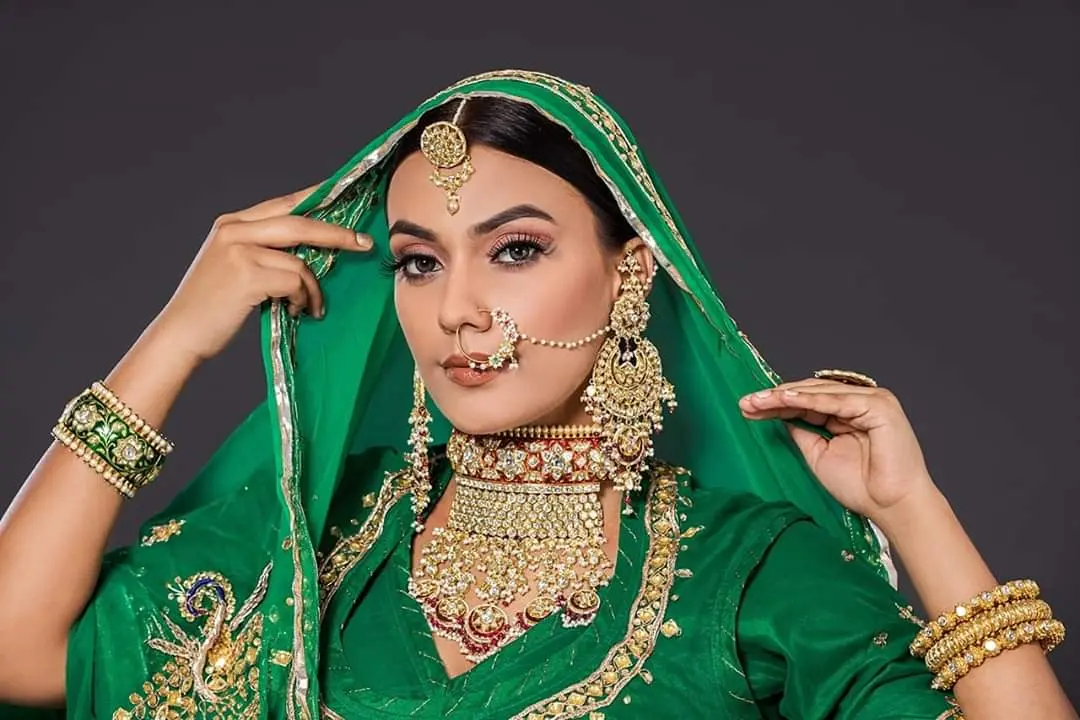
HD Makeup utilizes advanced light-diffusing ingredients applied manually with brushes and sponges to create a highly natural, dewy, skin-like finish. It excels for dry skin, mature skin, and dry winter weddings. Airbrush Makeup involves spraying a microscopic, pixelated mist of silicone-based formula onto the skin using a pneumatic compressor. This creates a flawless, matte, highly durable, and water-resistant finish, making it the superior choice for oily skin, acne-prone skin, and humid summer or monsoon weddings. Your final decision relies entirely on your specific skin concerns, the local climate of your venue, and your personal aesthetic preferences.
Your wedding photographs capture emotions and memories intended to last a lifetime. Decades from now, when you look back at these images alongside your family, the focus will remain squarely on your expression, your smile, and your radiant bridal glow. Securing the absolute right makeup technique forms the critical foundation of ensuring you look completely flawless both in person and on high-resolution cameras, all without feeling like you are wearing a heavy, unnatural mask.
Brides planning their celebrations face a constant barrage of options, and one of the most stressful decisions involves selecting the correct cosmetic base technique. At The Makeup Wala, we specialize in luxury bridal makeup for discerning clients across Delhi NCR. During every initial consultation, the most frequent dilemma brides present is choosing between High Definition (HD) and Airbrush applications. Both techniques command immense respect within the professional beauty industry and consistently deliver stunning, camera-ready results. However, they utilize entirely different formulas, application methods, and cosmetic chemistry.
Understanding the exact mechanics behind these two powerhouse techniques empowers you to make an informed decision alongside your makeup artist. A flawless base never happens by accident; it requires a highly calculated combination of intensive skin preparation, sophisticated cosmetic chemistry, and elite artistic precision.
The Evolution of Bridal Beauty and High-Resolution Cameras
To truly grasp why HD and Airbrush techniques exist, one must examine the rapid evolution of professional photography. Fifteen years ago, standard wedding photography relied on lower-resolution digital sensors or traditional film that physically could not capture the microscopic details of a bride’s face. Standard traditional makeup—often thick, heavily pigmented, and heavily powdered—looked perfectly acceptable on film because the camera effectively blurred minor imperfections automatically. That forgiving era of photography is entirely gone.
Modern wedding photographers exclusively utilize 4K and 8K cinematic cameras, high-end mirrorless lenses, and harsh, unyielding studio strobes to capture every single moment. These incredibly advanced sensors pick up everything: enlarged pores, dry skin flakes, peach fuzz, microscopic sweat droplets, and uneven foundation blending. If a makeup artist applies a thick layer of standard cosmetic foundation, modern high-resolution cameras will immediately register it as cakey, heavy, and unnatural.
The global beauty industry developed HD and Airbrush technologies specifically to combat the ruthless clarity of these modern lenses. Both methods share a singular goal: tricking the camera sensor into seeing naturally perfect human skin rather than visible layers of cosmetic products. The profound distinction lies entirely in how they achieve this complex optical illusion.
What is HD (High Definition) Makeup?
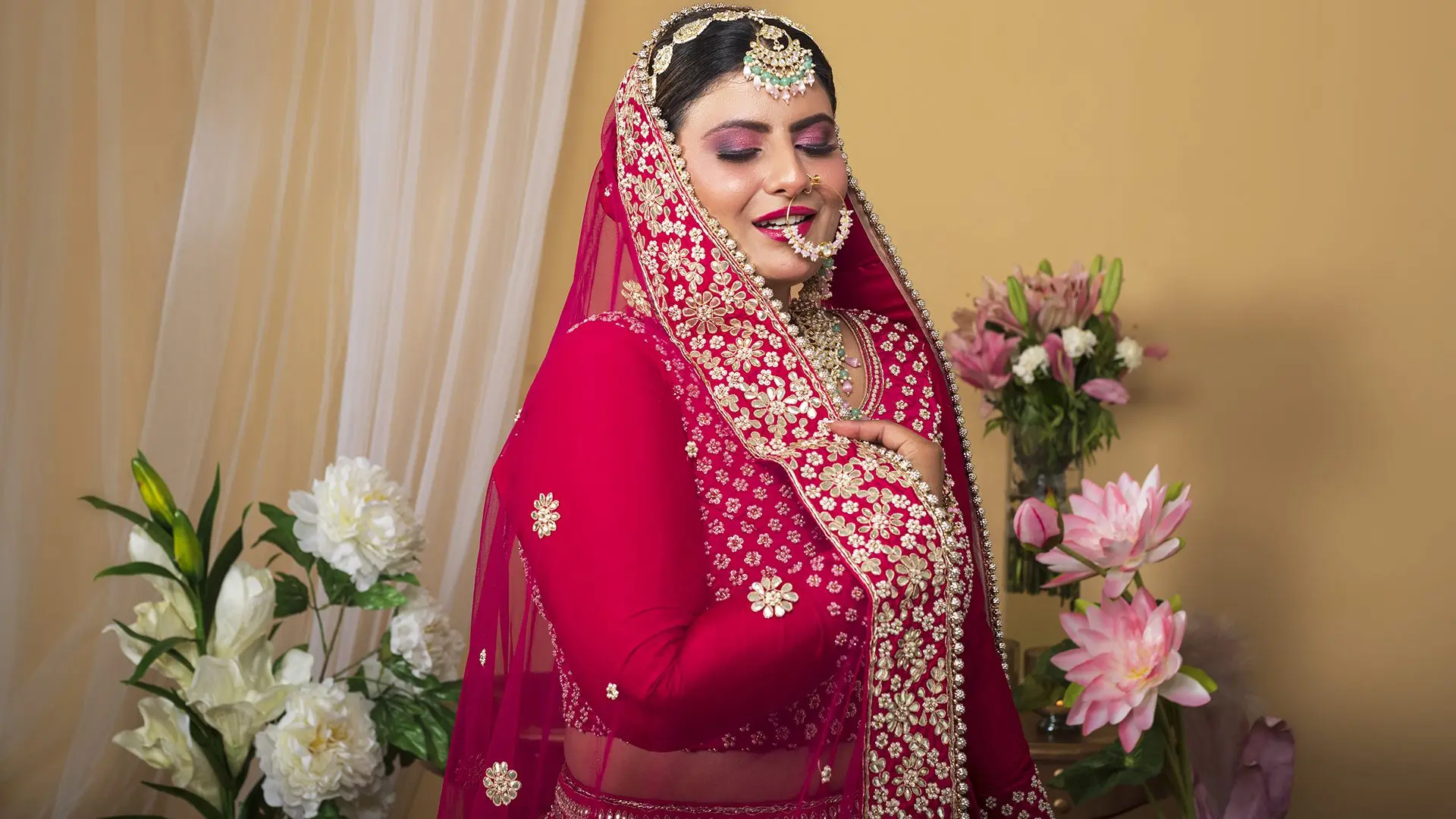
High Definition makeup represents an absolute masterclass in light manipulation. Instead of relying on thick, opaque pigments to physically cover imperfections, HD products utilize highly advanced cosmetic chemistry to blur them gracefully, mimicking the natural translucency of perfect skin.
The Science Behind the Formulation
HD foundations contain microscopic light-diffusing particles, typically formulated with high-grade silica, finely milled mica, and crushed quartz crystals. When light from a photographer’s camera flash or a harsh venue spotlight hits these microscopic particles, the light scatters aggressively in multiple directions. This targeted scattering effect creates a soft-focus illusion over the skin, instantly blurring fine lines, minor blemishes, and uneven texture. The formula actively works with the ambient light rather than fighting against it.
Furthermore, luxury HD Makeup formulas usually consist of a complex emulsion of purified water, humectants like glycerin, and these specifically coated pigments. Because they remain fluid emulsions, they possess incredible flexibility. As your face moves, smiles, and emotes throughout the lengthy ceremony, the HD makeup stretches and moves seamlessly in tandem with your biological skin.
The Finish and Application
Professional bridal makeup artists apply HD products manually using specialized synthetic stippling brushes and damp, high-density beauty sponges. This precise manual application allows the artist to physically press the product directly into the skin, effectively melting the foundation into the skin’s natural lipid barrier. The resulting finish is breathtakingly natural, luminous, dewy, and highly breathable. It perfectly mimics the exact texture of real human skin, just elevated to its absolute best possible version.
Pros of HD Makeup
- True Skin-Like Appearance: It never looks flat, chalky, or excessively matte. The skin retains its natural, healthy luminosity and three-dimensional glow.
- Seamless Custom Blending: Because it is applied manually, artists can easily mix multiple shades on a palette to match complex, multifaceted Indian skin tones flawlessly, warming up the perimeter of the face naturally.
- Supreme Comfortable Wear: The formulations remain extremely lightweight, deeply hydrating, and exceptionally comfortable for extended wear without feeling tight or restrictive.
- Easy Touch-Ups: If a bride cries intensely or sweats, a makeup artist can easily buff out the affected area with a damp sponge and reapply product without ruining the surrounding base layer.
Cons of HD Makeup
- Moisture Sensitivity: While highly durable under normal conditions, HD formulas are not inherently waterproof. Extreme, persistent sweating during intense humidity can slowly break down the product over the course of an evening.
- Transfer Potential: Because the formula remains slightly dewy and sits cohesively with the skin’s natural oils, there is a minor risk of transfer onto clothing, heavy bridal jewelry, or guests if not meticulously set with professional-grade powders and sealing sprays.
Ideal Candidates for HD
Brides possessing dry, severely dehydrated, or mature skin benefit immensely from HD Makeup. The deeply hydrating properties prevent the foundation from clinging aggressively to dry patches or settling awkwardly into fine lines. Additionally, HD remains the ultimate, unrivaled choice for winter weddings in Delhi NCR, where the dry, frigid air strips vital moisture from the face at a rapid pace.
What is Airbrush Makeup?
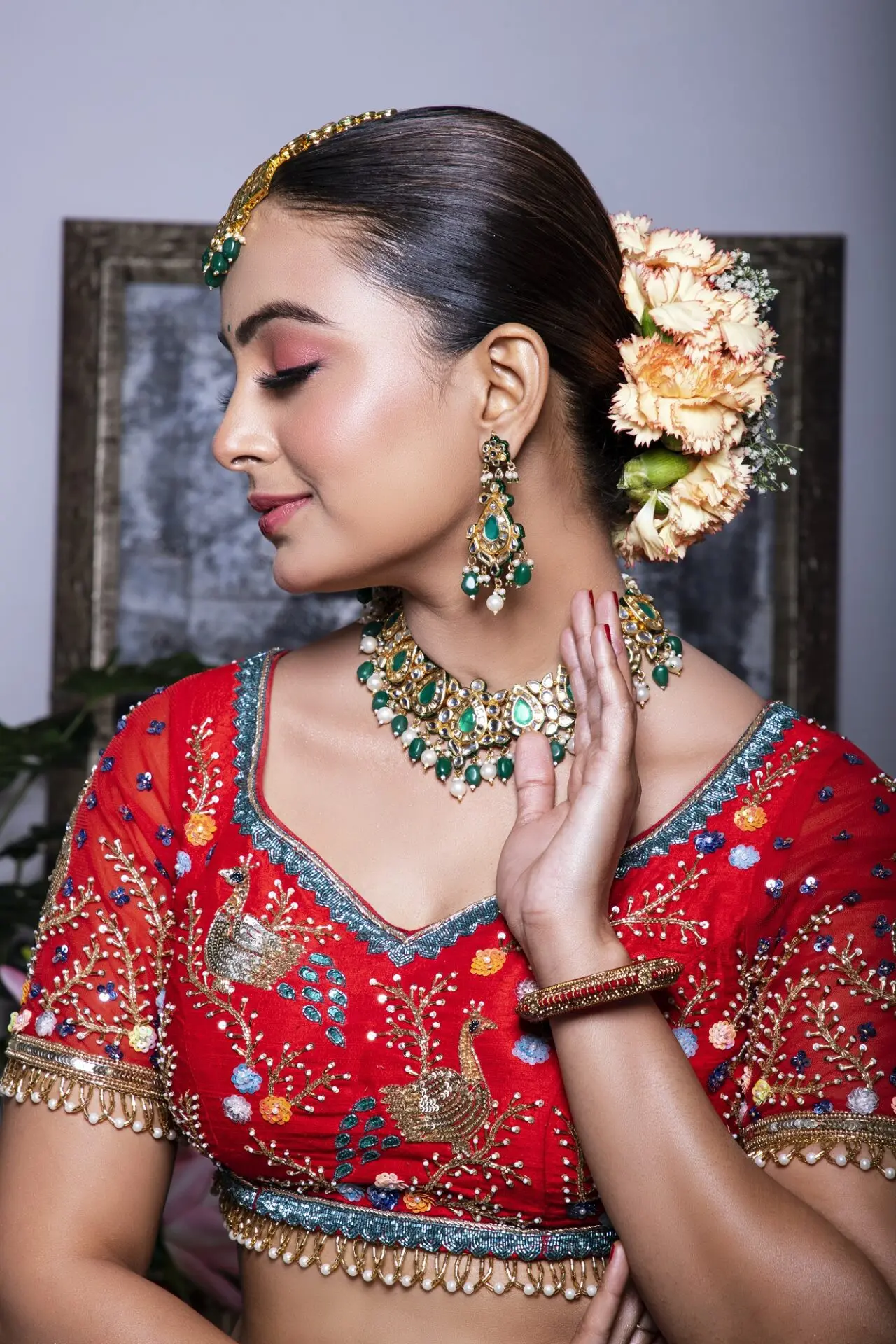
Airbrush makeup fundamentally abandons traditional brushes and sponges entirely, relying instead on pneumatic precision to deliver flawless cosmetic coverage. It represents a highly technical, specialized application method originally developed exclusively for high-budget Hollywood film sets, where actors required completely waterproof, immovable makeup capable of surviving blistering, hot studio lights and intense physical action.
The Science Behind the Formulation
The mechanical system consists of a small, medical-grade air compressor connected via a flexible hose to a dual-action stylus (the airgun). The artist places specially formulated liquid makeup directly into the metal chamber of the stylus. When the artist pulls back the trigger mechanism, the compressor forces regulated air through the gun, atomizing the liquid into millions of microscopic, uniform droplets. These micro-droplets land on the skin in a fine, tightly controlled pixelated pattern rather than a continuous, heavy smear.
Professional airbrush formulas look and behave radically differently from standard liquid foundations. In luxury bridal applications, top-tier artists typically utilize silicone-based airbrush fluids. The primary active ingredient usually involves Cyclopentasiloxane or a similarly volatile silicone compound. Once atomized into a micro-mist and sprayed onto the face, the liquid carrier fluid rapidly evaporates upon contact, leaving behind a highly flexible, polymerized mesh of pure pigment and silicone. This complex mesh does not interact with the natural oils or moisture present in your skin, which is exactly why it boasts such legendary durability. It essentially creates a second, artificial, flawless skin layer that sits independently above your biological skin.
The Finish and Application
Because the atomized makeup rests lightly on top of the skin in tiny pixels, it fills in enlarged pores and fine lines purely mechanically. The resulting finish is strikingly smooth, velvety, and typically very matte. Once a high-quality silicone-based airbrush formula sets and cures (usually within thirty seconds), it locks onto the skin with incredible, unyielding tenacity, requiring virtually zero heavy setting powder.
Pros of Airbrush Makeup
- Unmatched Longevity: High-quality airbrush makeup can effortlessly survive 16 to 24 hours of continuous wear without degrading, breaking down, oxidizing, or separating in any capacity.
- Supreme Water and Sweat Resistance: The silicone barrier actively and forcefully repels water. Brides can cry heavy, emotional tears or sweat profusely during a July outdoor ceremony, and the makeup will remain completely and totally intact.
- Friction Proof: It aggressively resists transferring onto expensive bridal lehengas, heavy Kundan jewelry, or the formal clothes of the hundreds of guests hugging the bride during the long reception line.
- Absolute Hygiene: The mechanical application remains completely sanitary because the artist’s tools never physically touch the bride’s face, making it an excellent, sterile option for highly sensitive or breakout-prone skin.
Cons of Airbrush Makeup
- Unforgiving on Texture: If a bride suffers from active, flaky dry patches, unexfoliated skin, or deep cystic acne, the extremely fine airbrush spray can cling stubbornly to the texture, emphasizing the dryness rather than concealing it smoothly.
- Touch-Up Difficulty: Once the rigid silicone mesh cures and locks firmly into place, attempting to touch it up later with traditional liquid products proves nearly impossible. If a severe, traumatic smudge does somehow occur, the artist must often strip the specific area entirely and re-spray from scratch.
- Inherently Matte Nature: Some modern brides find the inherently matte finish slightly too flat for their personal aesthetic, requiring the artist to apply layers of heavy manual highlighters to bring back a sense of natural luminosity.
Ideal Candidates for Airbrush
Brides managing heavily oily skin, extreme combination skin, or severe flat hyperpigmentation will find Airbrush Makeup utterly miraculous. It controls sebum production beautifully throughout the long day. It also stands as the undisputed champion for extreme summer and monsoon weddings where suffocating heat and humidity destroy traditional cosmetics effortlessly.
The Chemistry of Cosmetics: Silicone vs. Water-Based Formulations
A deeper dive into cosmetic chemistry illuminates exactly why these two products behave so differently on wedding days. Understanding these principles prevents devastating product incompatibilities.
According to established dermatological guidelines, water-based formulations (used heavily in HD makeup) rely on the skin’s ability to absorb moisture. The skin acts like a sponge, pulling the hydrating elements of the foundation inward. This absorption process creates that coveted, plump, ‘second-skin’ look. However, as the skin continues to produce sweat and natural sebum throughout a long event, these oils mix freely with the water-based makeup. Over many hours, this continuous mixing causes the makeup emulsion to break apart, leading to sliding or fading.
Silicone-based formulations (used strictly in Airbrush makeup) function entirely differently. Silicones, such as dimethicone and cyclopentasiloxane, are large synthetic molecules that sit completely superficially on the skin. They cannot be absorbed by human pores. When sprayed onto the face, these molecules link together to form a hydrophobic (water-hating) shield. When sweat or tears hit this shield, the moisture cannot penetrate the makeup to break it down. It simply beads up and rolls off. This chemical reality is why external authority resources in cosmetic science consistently rate silicone bases as the most durable option for extreme environmental stress.
Pre-Wedding Skincare: The Unspoken Hero of Bridal Makeup
No matter which premium base technique you ultimately select, neither HD nor Airbrush makeup will look flawless if the biological canvas beneath it is compromised. Elite luxury bridal makeup artistry dedicates nearly thirty to forty percent of the total appointment time solely to intensive, targeted skin preparation.
For HD makeup, the preparation focuses intensely on extreme hydration and lipid barrier repair. We utilize multiple, thin layers of lightweight toners, hydrating essences, and emollient-rich moisturizers to deeply plump the skin cells. We follow this intensive routine with a luminous, water-based primer that gives the HD foundation something flexible and tacky to grip. This deep hydration routine ensures the microscopic light-diffusing particles in the HD foundation rest smoothly and brightly on the surface, rather than sinking into dehydrated pores.
Conversely, preparing the skin for an Airbrush application demands a completely different, highly specific strategy. Because silicone airbrush formulas actively repel water, the skin must be perfectly balanced—neither too greasy nor too dry. We utilize specialized mattifying toners to control sebum production strictly in the T-zone and apply proprietary silicone-compatible primers. These specific primers create a microscopic Velcro effect, locking the airbrush mist firmly into place. Using the wrong water-based primer underneath a silicone airbrush foundation leads directly to immediate chemical separation, catastrophic sliding, and unacceptable patchiness.
Brides should begin a dedicated skincare regimen at least six months prior to their wedding date. Regular exfoliation, consistent hydration, and professional extractions ensure the skin surface remains as smooth as glass, allowing either makeup technique to perform at its absolute peak capacity.
Step-by-Step Application Techniques
Transparency in the application process helps brides understand exactly what they are paying for when booking a luxury service. Here is how our expert artists execute these techniques:
The HD Application Process
- Thorough Cleansing: Removing all trace oils and debris using micellar water.
- Intensive Layered Hydration: Massaging serums and moisturizers deeply into the facial muscles to stimulate blood flow.
- Color Correction: Using highly pigmented peach or orange correctors to neutralize under-eye darkness and pigmentation around the mouth.
- Foundation Stippling: Applying the liquid HD foundation using a synthetic stippling brush in small, bouncing motions.
- Sponge Blending: Pressing a damp beauty blender repeatedly over the face to sheer out any excess product and push the foundation into the skin.
- Targeted Setting: Using a finely milled translucent powder strictly on the T-zone, leaving the high points of the cheeks glossy and bare.
The Airbrush Application Process
- Skin Balancing: Applying a mattifying toner and a specialized silicone-based gripping primer.
- Color Matching the Pods: The artist mixes several drops of different colored silicone foundation directly into the metal cup of the airgun to create a custom shade.
- Testing PSI: The compressor pressure is carefully calibrated, and the spray pattern is tested on the artist’s hand.
- The First Pass: Holding the gun six to eight inches from the face, the artist pulls the trigger and sweeps across the face in continuous, rhythmic circles.
- Layering for Coverage: Instead of applying one thick coat, the artist applies three to four microscopically thin coats, allowing each layer ten seconds to cure before applying the next.
- Sealing: A final spray of silicone-based setting mist locks the entire structure into a waterproof shield.
Head-to-Head Comparison: HD vs Airbrush Makeup
Reviewing the technical differences strictly side-by-side helps clarify which premium option aligns seamlessly with your specific bridal needs. The comprehensive comparison table below highlights the core distinctions between the two elite services.
| Evaluation Criteria | HD Makeup | Airbrush Makeup |
|---|---|---|
| Application Method | Manual (Brushes, Beauty Blenders, Stippling Sponges) | Mechanical (Pneumatic Compressor and Stylus Mist) |
| Typical Finish | Dewy, luminous, hydrating, highly radiant | Velvet, matte, poreless, perfectly smooth canvas |
| Longevity Expectation | 8 to 12 hours (Requires setting sprays and powders) | 16 to 24+ hours (Self-setting, lock-in formula) |
| Water & Tear Resistance | Moderate (Requires careful blotting of tears) | Exceptional (Tears roll right over without streaking) |
| Skin Type Suitability | Dry, Normal, Mature, Dehydrated skin types | Oily, Normal, Acne-prone, heavily textured skin types |
| Weather Suitability | Winter, cool climates, fully air-conditioned venues | Summer, Monsoon, humid environments, outdoor lawns |
| Photography Results | Soft-focus blur, catches studio light beautifully | Absolute perfection, zeroes out skin texture completely |
| Transfer Resistance | Moderate (Can transfer slightly onto collars/jewelry) | Extremely High (Practically friction-proof) |
The Delhi NCR Climate Factor: A Month-by-Month Approach
Selecting a bridal makeup technique without rigorously considering the local climate often leads to disastrous, melting results. The Makeup Wala operates extensively across Delhi, Gurugram, and Noida, a challenging geographical region notorious for its brutal and rapidly shifting weather patterns. A bride getting married in a Chhatarpur farmhouse in June faces an entirely different environmental challenge than a bride hosting a grand reception at Aerocity in late December.
Summer Weddings (April to June)
Delhi summers are notoriously unforgiving. Daytime temperatures easily cross 45°C, accompanied by dry, scorching ‘Loo’ winds. An outdoor day wedding during this aggressive season turns traditional makeup into a melting liability. For summer brides, Airbrush makeup provides absolutely essential insurance. The silicone matrix strongly resists the heavy sweat generated during traditional rituals, ensuring the bride looks just as pristine during the highly emotional evening Vidaai as she did during the afternoon Jaymala.
Monsoon Weddings (July to September)
As the intense summer heat breaks, the regional humidity skyrockets past 90 percent. Monsoon weddings in NCR present a highly specific, miserable challenge: sweat does not evaporate into the air; it sits heavily on the skin. High humidity causes manual water-based HD foundations to separate, slide, and break down rapidly. Again, the waterproof, locked-in nature of Airbrush makeup makes it the strict, non-negotiable choice for monsoon brides, entirely preventing the dreaded makeup meltdown.
Winter Weddings (November to February)
Delhi winters bring a dry, biting chill that heavily dehydrates human skin over the course of just a few hours. Applying a matte, moisture-repelling airbrush makeup onto a winter bride often results in a tight, uncomfortable feeling and visible flaking around the delicate areas of the nose and mouth. This cold season belongs entirely to HD Makeup. The hydrating, cream-based HD products actively nourish the skin, providing a gorgeous, glowing warmth that contrasts beautifully with the stark, cold weather and heavy velvet bridal attire.
The Late-Night Phera Factor (The Havan)
Traditional North Indian weddings frequently push the core religious rituals (the Pheras) deep into the early morning hours, often concluding around 4:00 AM or 5:00 AM. Brides must wear their heavy lehengas, heavy Kundan jewelry, and makeup for upward of 14 continuous hours, transitioning through various emotional states, eating, drinking, and sitting directly next to a burning sacred fire (Havan). The intense radiant heat from the fire combined with sheer physical exhaustion demands a cosmetic base that refuses to quit. Airbrush handles the direct heat of the Havan exceptionally well, whereas HD requires the artist to use heavy setting powders to prevent melting near the intense flames.
Event Specific Recommendations
Indian weddings span multiple days and multiple events, each requiring a different aesthetic and durability level. Booking the right makeup style for the right event saves money and ensures optimal results.
- Haldi & Mehendi: These are daytime, vibrant, and highly active events. The makeup should look fresh, youthful, and luminous. HD Makeup is highly recommended here to provide a soft, glowing, daytime-appropriate base.
- Sangeet / Cocktail: Characterized by heavy dancing, sweating, and dramatic stage lighting. The makeup must endure physical exertion. Airbrush Makeup is the clear winner to prevent the face from melting mid-performance.
- The Main Wedding Day: A grueling 12-16 hour marathon involving intense heat, crying, hugging, and photography. Depending heavily on the season, Airbrush or a customized Hybrid Approach is strictly necessary.
- Reception: Usually held indoors in air-conditioned banquets with focused studio lighting. The goal is sheer glamour. HD Makeup performs brilliantly here, catching the lights and looking flawless as guests approach the stage to meet the couple.
The Hybrid Approach: The Modern Bride’s Secret
The beauty industry rarely operates in absolute extremes. As luxury bridal artists, we recognized that forcing a bride to choose strictly between the dewy radiance of HD and the bulletproof longevity of Airbrush felt creatively limiting. This critical realization birthed the Hybrid Makeup Approach, a highly sophisticated technique now heavily requested by our discerning clientele at The Makeup Wala.
The Hybrid technique seamlessly merges the greatest strengths of both methods while strategically eliminating their weaknesses. The artist begins by preparing the skin with high-end hydrating primers to address any dry patches. Next, they use the airbrush compressor to lay down an incredibly thin, fine layer of silicone-based foundation over the entire face. This acts as the indestructible anchor layer—sweat-proof, tear-proof, and highly durable.
Once the airbrush base completely cures onto the skin, the artist meticulously switches tools. Using damp beauty blenders and fluffy synthetic brushes, the artist manually applies HD cream contours, vibrant liquid blushes, and radiant liquid highlighters directly over the top of the airbrush layer. Finally, they use finely milled HD setting powders specifically localized to the T-zone.
This advanced method gives the bride the unshakeable confidence of an airbrush foundation, flawlessly paired with the three-dimensional, glowing, skin-like finish of manual HD color cosmetics. It is technically demanding and requires a highly skilled artist who deeply understands complex product compatibility—mixing silicone bases with water-based top layers incorrectly will cause immediate, disastrous cosmetic separation. When executed perfectly, the Hybrid approach represents the absolute pinnacle of modern luxury bridal beauty.
Common Bridal Makeup Mistakes to Avoid
Even with the finest makeup products in the world, critical errors in judgment leading up to the wedding can ruin the final look. Avoid these massive pitfalls:
- Skipping the Makeup Trial: Booking a makeup artist based purely on Instagram photos without experiencing how the makeup reacts to your specific skin chemistry is incredibly dangerous. Always insist on a trial.
- Forcing a Trend Over Skin Type: Demanding a heavy, matte Airbrush finish when you have severely dry, flaky skin simply because your best friend used it will result in a cracked, aged appearance. Trust professional recommendations over social media trends.
- Dermaplaning the Day Before: Shaving or dermaplaning the face 24 hours before the wedding exposes raw, sensitive skin. The makeup will likely slide off or cause severe irritation. Complete all facial hair removal at least 4 to 5 days prior.
- Using SPF Underneath Bridal Makeup: Wearing your daily chemical sunscreen under heavy bridal makeup often causes catastrophic “flashback” (a white ghost-like cast) when hit by professional photography strobes. Allow the artist to use specialized flash-friendly primers instead.
- Over-Powdering Airbrush Makeup: Because silicone sets itself, applying heavy layers of setting powder over an airbrush base creates a heavily textured, cakey mess. Let the machine do the work.
A Closer Look at the Financial Investment: HD vs Airbrush
Budget allocation plays a significant role in comprehensive wedding planning. When reviewing luxury bridal packages from elite artists in Delhi NCR, brides immediately notice a pricing disparity between the two techniques. Airbrush makeup consistently commands a noticeably higher premium than standard HD makeup.
This prominent price difference stems directly from several concrete factors rather than arbitrary artistic markup. First, the capital investment for the artist is immense. A professional-grade, whisper-quiet airbrush compressor and dual-action stylus require precision engineering, often costing ten times the price of a standard professional brush set. However, the hardware represents only a fraction of the investment. The imported silicone-based pods and liquid formulations used in high-end airbrushing expire rapidly and cost significantly more per milliliter to import than traditional luxury HD liquid foundations.
Additionally, the maintenance of the equipment demands rigorous, time-consuming hygiene protocols. An artist must spend considerable time disassembling, deep cleaning, and sanitizing the tiny needle and nozzle with specialized alkaline solutions after every single use to prevent clogging and ensure zero cross-contamination.
Most importantly, you are paying a premium for specialized technical expertise. An artist cannot simply pick up a compressor and start spraying flawlessly. Mastering the PSI (pounds per square inch) pressure control, understanding the optimal distance from the face, and developing the muscle memory to spray in continuous, seamless motions requires months of specialized certification and dedicated daily practice. When you book an Airbrush package, you are directly subsidizing this advanced training and imported technology.
HD makeup, while still utilizing premium, high-cost cosmetics from luxury global brands (like Charlotte Tilbury, NARS, and Dior), relies on traditional application methods that form the baseline of every professional artist’s training. Therefore, it remains a slightly more accessible financial option while still delivering an undeniably luxurious, camera-ready result.
How to Choose: The Bridal Trial Checklist
Making this vital choice does not have to be overwhelming. Before you secure your booking, use this definitive, professional checklist to evaluate your specific needs. Discuss these answers openly during your bridal makeup consultation to ensure you and your artist are perfectly aligned.
- Analyze Your True Skin Type: Wash your face and wait thirty minutes without applying any moisturizer. Does your skin feel tight, itchy, and visibly flaky? You lean dry, giving the severe advantage to HD. Do you look visibly shiny across your forehead and nose? You lean oily, giving the advantage to Airbrush.
- Evaluate the Weather and Venue: Are you hosting an outdoor July wedding under a decorative tent? You need maximum durability against aggressive humidity, favoring Airbrush. Are you getting married in a climate-controlled, heavily air-conditioned banquet hall in December? You want maximum hydration and glow, favoring HD.
- Assess Your Desired Aesthetic: Look closely at your carefully curated bridal inspiration board. Are the models sporting a matte, flawless, velvety look with zero shine? That indicates a strong Airbrush preference. Do the photos feature glossy cheekbones, a dewy finish, and a highly natural, breathable glow? That indicates an HD preference.
- Consider the Duration of the Event: Will your makeup need to survive a 4:00 PM Baraat through a 5:00 AM Vidaai without the artist present for touch-ups? The extreme longevity requirement heavily favors Airbrush. Is it a shorter, intimate four-hour ring ceremony? The comfortable wear of HD is absolutely perfect.
- Acknowledge Skin Texture and Acne: Do you currently have active, raised acne bumps or severe dry patches? Spraying makeup over raised, dry texture can amplify it, making HD the better choice for hydration. Do you have deep, pitted acne scars that require filling without looking heavily caked? The pixelated, mechanical filling nature of Airbrush is overwhelmingly superior here.
- Consider Your Groom’s Attire and Venue Colors: The lighting and colors heavily impact how makeup photographs. If you are wearing a deep velvet maroon lehenga in a dimly lit, moody indoor venue, the bright, reflective nature of HD makeup helps pull your face forward out of the shadows beautifully.
- Evaluate Your Touch-up Support System: Will your makeup artist be accompanying you to the venue for touch-ups? If yes, HD makeup is highly manageable because the artist can quickly powder and refine the finish. If the artist is leaving immediately after the bridal dressing, Airbrush is the safer bet because it requires virtually zero maintenance beyond dabbing away sweat with a dry tissue.
Expert Insight: Guddu Singh’s Advice for Delhi NCR Brides
“In Delhi NCR, we face extreme heat in June and dry chills in December. A bridal makeup application must respect the environment just as much as it respects the bride’s features. For summer brides with oily skin, I always recommend Airbrush or a Hybrid approach to withstand the aggressive humidity and those inevitable emotional tears. For winter brides, HD makeup provides that beautiful, hydrated, glass-skin glow that looks breathtaking against heavy velvet winter lehengas. Never fight your natural skin type; work with it to create perfect harmony.”
— Guddu Singh,
Founder of The Makeup Wala
Frequently Asked Questions (FAQs)
1. Which is better for acne-prone skin, HD or airbrush?
For highly active, textured acne with dry, flaky patches surrounding the blemishes, HD makeup performs exceptionally better. The manual application allows the artist to hydrate the affected area and gently stipple coverage without emphasizing the dry, crusty edges of the breakout. If the acne consists strictly of flat hyperpigmentation (dark marks) without any raised dry texture, Airbrush will cover it flawlessly.
2. Can I cry with airbrush makeup on?
Absolutely. One of the greatest technical advantages of silicone-based airbrush makeup is its extreme water resistance. If you cry, the tears will literally roll down the surface of the makeup without leaving any streaks. However, you must always dab tears gently with a dry tissue; never wipe or drag a cloth across your face, regardless of the makeup technique applied.
3. Does HD makeup look cakey in real life?
When applied by a trained luxury makeup artist, HD makeup looks incredibly natural and skin-like in person. Because it utilizes light-diffusing particles rather than thick layers of heavy pigment, it sits beautifully and seamlessly on the skin. Caking only occurs if the skin is improperly prepped, if the artist uses incompatible primers, or if an inexperienced artist applies far too much setting powder over the liquid base.
4. Which lasts longer during a summer wedding?
Airbrush makeup is unequivocally the superior choice for a summer wedding in Delhi NCR. The intense heat and humidity will rapidly break down the manual layers of HD makeup, whereas the polymerized silicone mesh of an airbrush application acts as a waterproof, impenetrable shield against sweat and environmental moisture.
5. How do I effectively remove airbrush makeup?
Because airbrush makeup is highly water-resistant and locks onto the skin, standard face wash and water will not remove it effectively. You must use a high-quality, oil-based cleansing balm or a dual-phase micellar water to break down the tough silicone bonds. Massage the oil cleanser thoroughly into dry skin for a full minute, wipe away gently with a warm, damp microfiber cloth, and follow up with a gentle foaming cleanser to ensure absolutely all residue is gone from your pores.
6. Is Airbrush makeup safe for highly sensitive skin?
Yes, Airbrush makeup is incredibly safe and often recommended for sensitive skin. Because the application process relies entirely on a compressed air mist, no brushes, sponges, or hands physically touch or irritate the skin surface. This sterile environment drastically reduces the risk of inflammation and cross-contamination.
7. Will HD makeup transfer onto my heavy bridal jewelry?
There is a moderate risk of transfer with HD makeup because the formulation retains a dewy, emollient texture. A skilled artist mitigates this by aggressively setting the jawline and neck area with heavy translucent powder and robust setting sprays, but slight transfer onto heavy Kundan chokers remains a possibility compared to the transfer-proof nature of Airbrush.
8. How much time does an Airbrush application take compared to HD?
Surprisingly, the actual foundation application time for Airbrush is significantly faster (often under 10 minutes) because the machine covers large surface areas rapidly. HD manual blending requires meticulous stippling, which takes longer. However, the comprehensive skin preparation required for both methods means a standard luxury bridal appointment always requires two to three hours.
9. Can I mix my own foundation with an airbrush machine?
No. Standard liquid foundations contain thickeners and variable particle sizes that will immediately clog the microscopic needle inside the airbrush stylus, destroying the equipment. Professional airbrush machines strictly require specially formulated, micronized liquid pods designed explicitly for pneumatic atomization.
10. Which technique is better for mature skin with deep wrinkles?
HD Makeup is the clear winner for mature skin. As skin ages, it loses elasticity and moisture. The deeply hydrating, luminous properties of HD formulations plump the skin, while the light-diffusing particles softly blur wrinkles. Airbrush makeup, with its matte finish, can inadvertently settle into deep crevices, aging the bride prematurely.
11. I have excessive facial hair; which makeup is better?
HD Makeup handles facial peach fuzz significantly better. When applied manually, the artist can press the foundation into the skin in the direction of hair growth, smoothing it down. The fine mist of an Airbrush application can coat the tiny hairs individually, making them stand out and look slightly frosty under bright lights.
12. Are there cruelty-free and vegan Airbrush options?
Yes, many modern luxury cosmetic brands leading the industry in airbrush technology formulate their silicone pods without animal testing or animal-derived ingredients. Always consult with your artist beforehand if ethical formulations are a strict requirement for your wedding day.
13. Do I really need a bridal trial if I trust the artist’s portfolio?
Absolutely. A portfolio showcases the artist’s skill on other people’s skin under specific lighting. A trial ensures that the chosen formula interacts perfectly with your unique skin chemistry. It also allows you to test the longevity of the makeup by wearing it for an entire day before the actual wedding.
14. Will the camera flash make my face look white?
When applied professionally, neither HD nor Airbrush will cause flashback. Flashback is caused by incorrect ingredients—specifically Titanium Dioxide and Zinc Oxide found in SPF, or heavy silica powders used incorrectly. Professional bridal formulas are explicitly designed without these flashback-inducing elements.
15. Can I wear contact lenses during the application?
You must insert your contact lenses before the makeup application begins. Trying to insert lenses after the makeup is complete risks tearing, which could ruin the base, and also risks transferring makeup onto the delicate lens itself. The airbrush mist is completely safe around closed eyes.
Final Thoughts & Next Steps
Selecting your bridal makeup technique requires carefully balancing your skin’s unique chemistry, the brutal environmental realities of your specific wedding date, and your deeply personal vision of beauty. Neither technique is inherently superior to the other; they are simply highly specialized, professional tools designed for entirely different scenarios. A breathtaking, radiant bridal glow relies entirely on correctly matching the right technique to the right bride.
The most effective, stress-free way to secure your perfect look involves experiencing the application firsthand. During a professional bridal trial, an expert artist will analyze your skin texture under a magnifying ring light, thoroughly discuss your wardrobe choices, and demonstrate exactly how these advanced formulations interact with your specific facial features. Do not leave your ultimate wedding day appearance to chance, trends, or guesswork.
Ready to Discover Your Signature Bridal Look?
Experience the absolute luxury of customized bridal beauty. Secure an exclusive bridal consultation and personalized trial with The Makeup Wala today.
0 Comments